Comprehensive Guide to Foger Battery Performance and Device Longevity


If you’re researching the Foger Bit 35K, the part that does the heavy lifting is its internal power cell. This guide explains what kind of battery sits inside the device, how to charge and maintain it, what to do when it stops working, and what to look for before buying. The goal is to give you straight information — not marketing copy — so you can decide whether this disposable fits your needs.
Editorial disclosure & safety notice: This article is for informational purposes only and is intended for adults 21 and over. Vaping products contain nicotine, an addictive chemical. They are not a smoking cessation tool and are not recommended for non-smokers, pregnant individuals, or anyone with cardiovascular conditions. Lithium-ion cells can pose a fire risk if damaged, punctured, or improperly disposed of. Last updated: 2025.
- Built-in lithium-ion cell: The Foger Bit 35K uses an integrated, non-removable rechargeable battery.
- USB-C recharging: The port supports standard 5V input — no special adapter needed.
- Designed to outlast the e-liquid: Charging is intended to be repeated several times across the device’s puff-count rating.
- Wide flavor lineup: Pairs with options like compare foger battery, available alongside the rest of the foger battery review series.
- Under the Hood: What Gives the Foger Bit 35K Its Staying Power
- Why the Foger Battery Is a Total Game-Changer for Your Vaping Experience
- How to Get the Most Out of Your Foger Battery
- Why the Foger Battery Outperforms Your Typical Disposable
- Is The Foger Battery Worth The Hype? Here Is What Real Users Are Saying
- How to Choose the Best Foger Battery for Your Needs
- Everything You Need to Know About Your Foger Battery
Content Table:
Under the Hood: What Gives the Foger Bit 35K Its Staying Power
The Foger Bit 35K is a rechargeable disposable. That distinction matters: unlike older single-use vapes that were thrown away once the cell ran flat, this device is designed to be recharged multiple times so that the user can finish the entire e-liquid reservoir. The foger battery inside is a standard lithium-ion polymer cell paired with a small protection circuit (PCB) that handles charging cutoff, output regulation, and over-discharge protection.
According to Grand View Research, disposable vapes continue to hold a substantial share of the U.S. e-cigarette market, and rechargeable high-puff models like the best foger battery options reflect a clear consumer shift away from short-life single-use sticks. The cell isn’t exotic — it’s the same chemistry found in wireless earbuds and small electronics — but its capacity is sized to match the device’s roughly 35,000-puff rating.
Why the Foger Battery Is a Total Game-Changer for Your Vaping Experience
Foger does not publish a full engineering spec sheet for consumers, but based on publicly available product descriptions and the typical build of comparable 35K-class disposables, here is what the integrated power unit involves:
- Cell type: Rechargeable lithium-ion polymer (Li-Po), non-replaceable.
- Approximate capacity: Roughly 600–650 mAh, depending on production batch. The device is engineered to require several recharges over its lifespan.
- Charging port: USB-C, located on the base of the unit.
- Recommended input: 5V / 1A (a standard phone-style brick or laptop USB port is fine).
- Full charge time: Typically 45–75 minutes from empty, depending on the charger.
- Coil: Pre-installed mesh coil, not user-serviceable.
- Puff rating: Up to 35,000 puffs per the manufacturer’s labeling (real-world counts vary with draw length and depth).
- Protections: Over-charge, over-discharge, and short-circuit cutoffs handled by the onboard PCB.
Because the lithium-ion system is sealed inside a plastic and aluminum shell, there is no way to swap the cell when it eventually degrades. Once the e-liquid is depleted, the device is meant to be retired and recycled, not refilled.
How to Get the Most Out of Your Foger Battery
Most users get the best results by treating the device like any other small lithium-ion electronic. Use the cable that came in the box (or any quality USB-C cable), plug it into a 5V source, and unplug when the indicator shows a full charge. Avoid high-wattage fast-charging bricks designed for laptops; while the protection circuit should reject excess current, sticking to a standard wall adapter keeps heat down and is easier on the cell over time.
How to Properly Maintain Your Foger Battery
- First charge: Top off to 100% before your first extended session so the protection circuit reads an accurate full-charge state.
- Avoid full discharges: Recharge when the LED signals low rather than letting the cell run flat. Repeated deep discharges shorten lithium-ion lifespan.
- Mind the temperature: Don’t leave the device in a hot car, in direct sun, or in freezing conditions. Heat is the single biggest enemy of any lithium-ion system.
- Unplug when full: Trickle-charging overnight isn’t dangerous thanks to the cutoff circuit, but it’s unnecessary.
- Don’t puncture or crush: A damaged cell can swell or, in rare cases, vent. If the housing looks deformed, stop using the device and recycle it.
Short, controlled draws produce cleaner vapor than long, continuous pulls. Excessively long draws can stress the coil and produce a scorched taste — a sign to pause and let the wick re-saturate before the next puff.
Why the Foger Battery Outperforms Your Typical Disposable
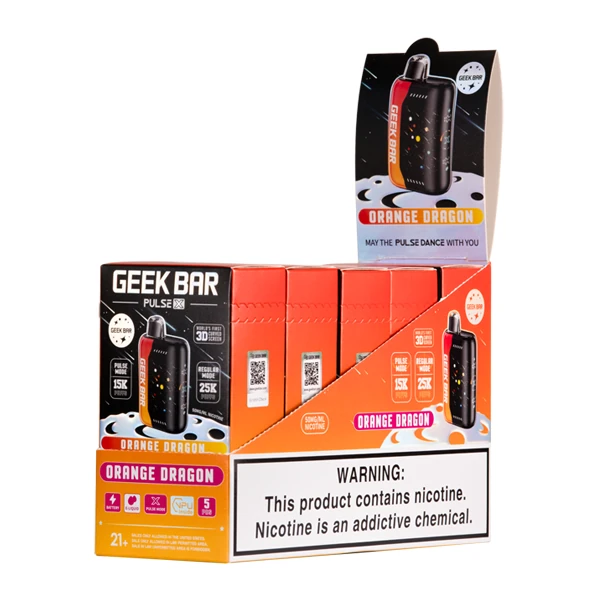
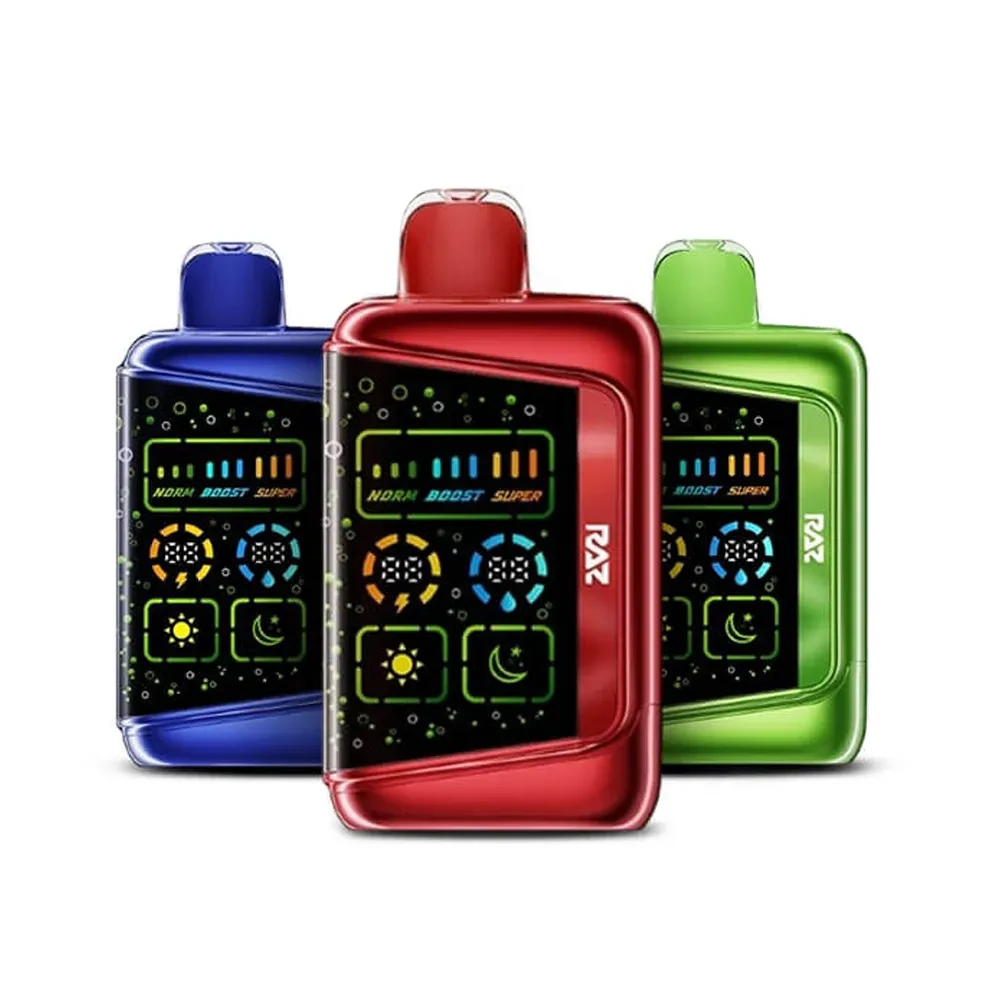
The 35K-puff class is now a crowded segment, with offerings from Geek Bar, Lost Mary, Raz, and others. What separates devices in this tier is usually not raw battery size — most use similar Li-Po cells in the 500–700 mAh range — but rather how well the circuit board manages output as the cell drains. A poorly tuned board produces a noticeable “fade” in vapor and flavor near the end of charge cycles; a better-tuned one holds output steadier.
Across the foger battery guide lineup — including best foger battery options and foger battery guide — user reports generally describe consistent draws until the e-liquid runs out, with the cell needing to be recharged several times along the way. Compared to older foger battery review that weren’t rechargeable, this is the main practical upgrade: you don’t lose unused e-liquid when the cell hits empty.
Is The Foger Battery Worth The Hype? Here Is What Real Users Are Saying
Real-world feedback on rechargeable high-puff disposables tends to focus on three things: how long a single charge lasts, whether the device fails before the liquid is gone, and how easy it is to tell when to recharge. The integrated power unit in the Foger Bit 35K is generally rated to last roughly a day to a day-and-a-half of moderate use before needing a top-up, though heavy users will recharge more often.
The compare foger battery and other menthol-forward options are popular precisely because consistent voltage from the cell keeps cooling agents tasting sharp rather than muted. When users do report problems, they usually involve a USB-C port that won’t recognize a cable, an LED that won’t light, or a device that simply stops firing — all issues covered in the troubleshooting Frequently Asked Questions below.
On the regulatory side, the FDA regulates the marketing and sale of electronic nicotine delivery systems through its Premarket Tobacco Application (PMTA) process. The agency does not certify individual battery thermal specs; manufacturers are responsible for meeting general consumer-product safety standards for the lithium-ion hardware itself.
How to Choose the Best Foger Battery for Your Needs
If you’re shopping for a Foger Bit 35K, the most important decisions are flavor preference, nicotine strength, and source authenticity. The lithium-ion system is the same regardless of which flavor you pick, so focus on:
- Authenticity: Buy from an authorized retailer. Counterfeits often use lower-grade cells without proper protection circuits, which is a genuine safety concern.
- Packaging seals: Authentic units arrive sealed with verification codes or scratch-off panels printed by the brand.
- Flavor profile: Browse the full foger battery guide selection to match your taste — fruit, menthol, or dessert.
- Nicotine strength: Most 35K-class devices ship at 5% (50 mg/mL) salt nicotine. Per Truth Initiative, this is among the higher concentrations on the market — verify it matches your tolerance.
- Included accessories: A USB-C cable is typically not included; have one on hand.
Everything You Need to Know About Your Foger Battery
Q: How long does a single charge last?
A: For a moderate user, roughly 24 to 36 hours between recharges. Heavy users may need to top up more than once a day. A full charge from empty typically takes 45–75 minutes on a standard 5V/1A source.
Q: Can the battery be replaced?
A: No. The cell is sealed inside the housing and is not user-serviceable. Once the e-liquid is gone, the device is meant to be recycled.
Q: My Foger Bit 35K isn’t charging — what should I check?
A: First, try a different USB-C cable, since cheap cables often fail before the device does. Then try a different power source (a phone wall brick or a computer USB port). Inspect the port for lint or debris and clear it gently with a toothpick or compressed air. If the LED still doesn’t respond after 10–15 minutes on a known-good charger, the unit may be defective — contact the retailer.
Q: What do the LED indicators mean?
A: The light pulses or changes color during use to indicate remaining charge — typically green for full, yellow for medium, and red for low. A red light while charging means the cell is filling; it should turn green or shut off when complete. A rapidly blinking LED with no draw output usually signals a short circuit or a fully depleted e-liquid reservoir.
Q: Can I bring a Foger Bit 35K on a plane?
A: In the U.S., the TSA requires all vaping devices and spare lithium batteries to be packed in carry-on luggage, never in checked bags. Using the device on the plane is prohibited. Check your destination’s local laws, since several countries ban disposable vapes outright.
Q: How should I dispose of a used unit?
A: Do not throw it in household trash. Lithium-ion cells can ignite in waste compactors. Take the device to an electronics-recycling drop-off — many big-box retailers and municipal facilities accept small batteries and battery-containing devices.
Q: Is it safe to leave the device plugged in overnight?
A: The onboard protection circuit will stop charging once the cell is full, so it isn’t acutely dangerous, but it offers no benefit and slightly accelerates long-term wear. Unplug when the LED indicates a full charge.
📚 Explore Our Complete Guides
💡 You May Also Like