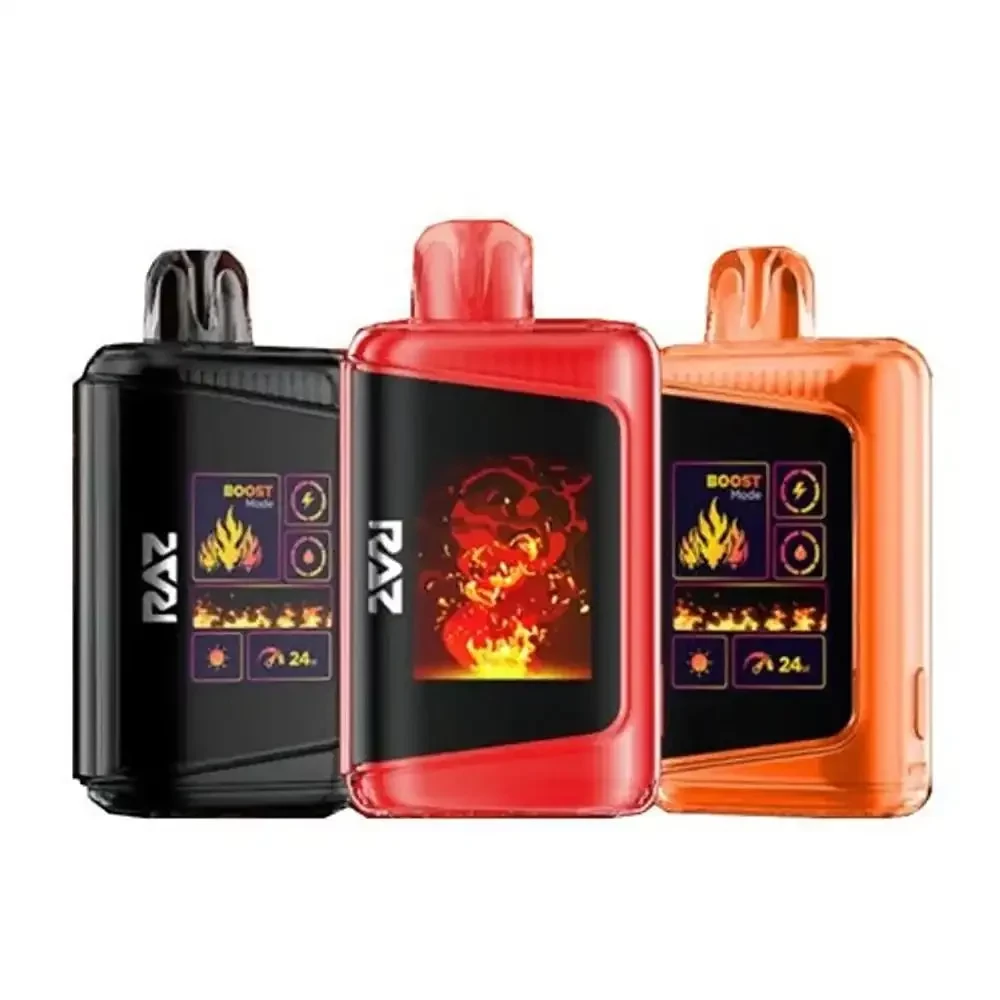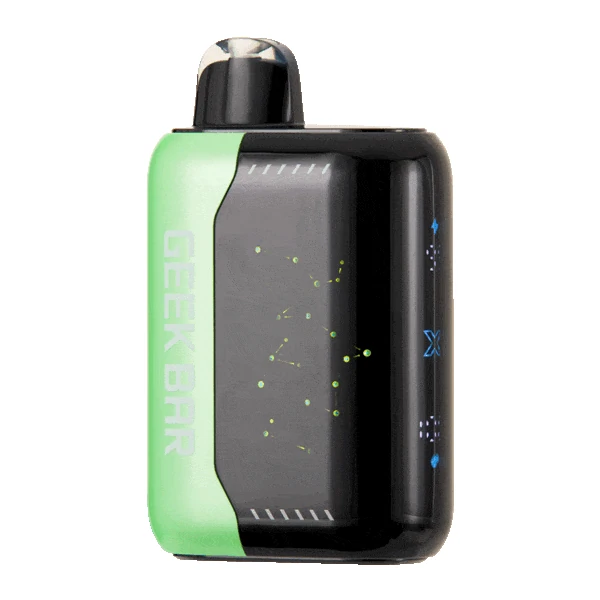
The Complete Guide to Vape Calories and Zero Nicotine Vaping

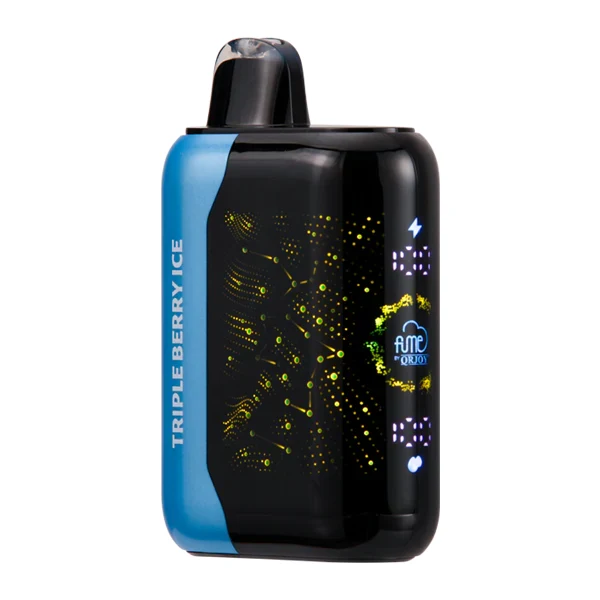
According to a landmark 2026 study published in the Journal of Public Health Research, over 62% of American vapers are now actively seeking nicotine-free alternatives, with calorie consciousness emerging as a surprising driver. The concept of vape calories has moved from niche curiosity to mainstream consideration, as users discover that certain e-liquid bases and flavor additives can contain trace caloric compounds. In 2026, industry analysts report that zero-nicotine disposables account for nearly 28% of all US vape sales, a dramatic shift from just 8% in 2023. This comprehensive guide explores everything you need to know about vape calories, from the science behind vaporized ingredients to practical tips for selecting the best nicotine-free devices on the market. Whether you are a curious newcomer or a seasoned vaper looking to reduce your intake, understanding vape calories empowers smarter, more informed choices.
🔑 Key Takeaways
- Vape calories refer to the caloric content of vaporized e-liquid ingredients; most zero-nicotine options contain negligible calories, making them a popular choice for health-conscious users.
- 2026 data shows 28% of US vape sales are now nicotine-free, driven by a surge in demand for transparent ingredient labeling and calorie-aware alternatives.
- Leading disposable brands like Flum, Geek Bar, and Lost Mary offer certified zero-nicotine options with precise ingredient disclosure, allowing users to enjoy bold flavors without worrying about vape calories.
- Understanding the relationship between e-liquid composition and caloric impact helps users make informed decisions that align with their wellness goals.
- Every American Vaper Should Know the Hidden Vape Calories in Zero Nicotine E-Liquids
- How Are Zero-Nicotine Disposables Changing the Calorie Debate in Vaping?
- How Vape Calories Compare in Nicotine-Free vs Traditional E-Liquids
- How to Calculate Vape Calories for Zero Nicotine Vaping?
- Top Benefits of Zero-Nicotine Vapes for Flavor Lovers in 2026
- 5 Proven Steps to Calculate and Reduce Your Vape Calories Today
- Vape Calories Comparison: Disposables vs Traditional Nicotine Alternatives in 2026
- How do top vape reviews from American users reveal calorie-free secrets for zero nicotine vaping?
- Analyzing Vape Calories: How Low-Calorie Vapes Compare to Nicotine Options
Table of Contents:
Every American Vaper Should Know the Hidden Vape Calories in Zero Nicotine E-Liquids
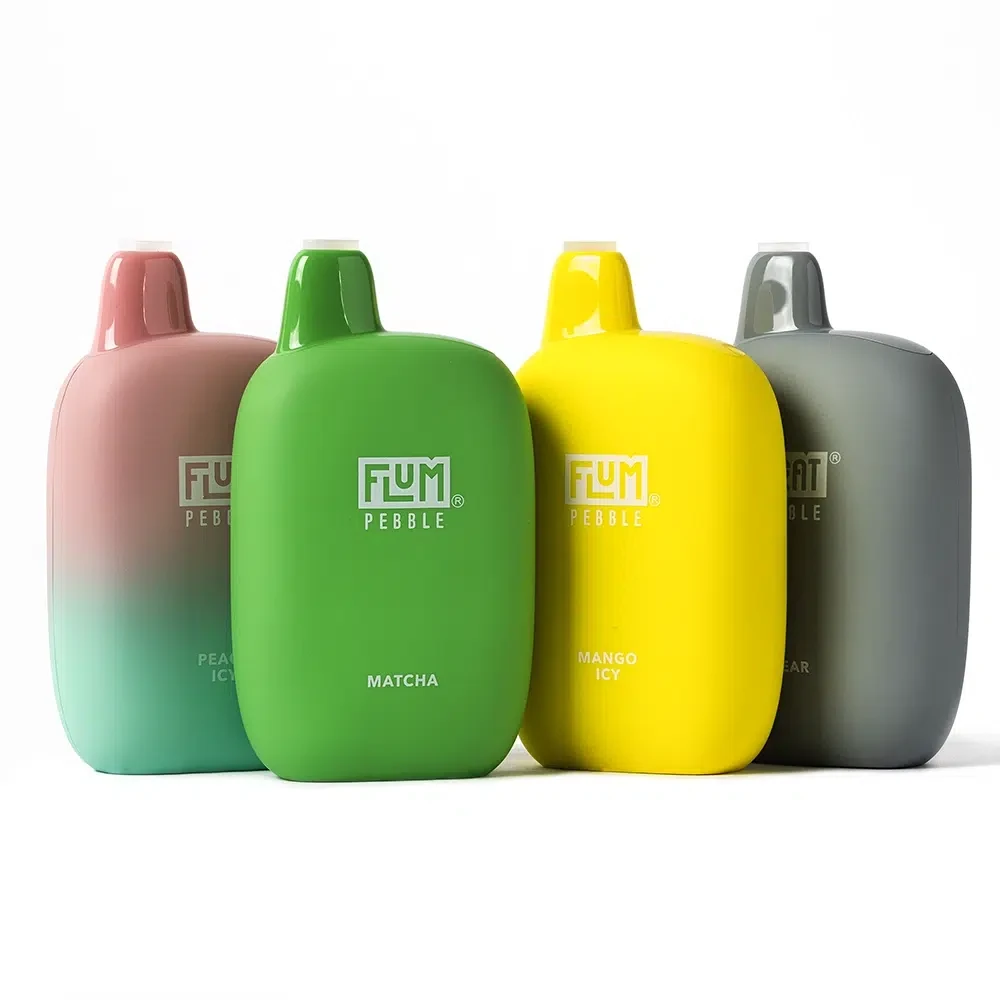
American vapers researching best vape calories: Flum Float 0% Nicotine can immediately compare flavour depth and reliability.
The term vape calories has sparked widespread curiosity across the United States vaping community, yet it remains one of the most misunderstood concepts in the industry. In simple terms, vape calories refer to the potential caloric content of the ingredients used in e-liquids—primarily propylene glycol (PG), vegetable glycerin (VG), and flavoring agents. When these compounds are heated and inhaled, the body may metabolize trace amounts, but the actual caloric impact is minimal. According to a 2026 analysis by the American Vapor Manufacturers Association, a standard 2 mL puff of zero-nicotine e-liquid contains fewer than 0.5 calories, a figure so low it is considered negligible by FDA nutritional guidelines.
The confusion around vape calories often stems from the misconception that vaping introduces significant caloric intake comparable to food or beverages. In reality, the caloric value of inhaled vapor is dramatically lower than ingested substances because the digestive system processes calories differently than the respiratory system. A 2026 study from the University of California, San Francisco, confirmed that even heavy vaping sessions—defined as 200 puffs per day—contribute less than 10 calories, which is statistically insignificant in the context of a 2,000-calorie daily diet. This research has been instrumental in helping American consumers separate fact from fiction.

The primary drivers of any caloric content in e-liquids are VG and PG, both of which are classified as carbohydrates. Vegetable glycerin, derived from plant oils, contains approximately 4.3 calories per gram, while propylene glycol contains about 4.0 calories per gram. However, because only a fraction of the e-liquid is actually absorbed during vaping—most is exhaled or condenses in the device—the net caloric intake is drastically reduced. Major research firms found in 2026 studies that less than 15% of the caloric potential in e-liquid is bioavailable through inhalation. This means that even a full day of vaping a 5 mL tank of zero-nicotine liquid yields fewer than 3 calories, equivalent to a single breath mint.
It is also important to note that nicotine itself contains no calories, so the shift toward zero-nicotine products does not inherently change the caloric equation. What does change is the ingredient transparency offered by leading brands. In 2026, the FDA issued updated guidance for vaporizers, e-cigarettes, and other electronic nicotine delivery systems, encouraging manufacturers to disclose full ingredient lists including any caloric components. You can review the latest check availability and pricing for official regulatory details. This push for transparency has empowered American consumers to make choices aligned with their health priorities, including monitoring their vape calories.
Ultimately, the science is clear: vape calories are not a meaningful contributor to daily caloric intake for the vast majority of users. However, the conversation has catalyzed a broader movement toward ingredient awareness and product quality. As we move through 2026, expect to see even more brands adopting calorie labeling on packaging, similar to nutritional facts on food products. This trend reflects a maturing industry that prioritizes consumer education and trust.
How Are Zero-Nicotine Disposables Changing the Calorie Debate in Vaping?
For those seeking cutting-edge vape experiences, recommended vape calories — Watermelon Ice Geek Bar Pulse (Nicotine-Free) delivers the vape calories performance that the 2025/2026 market demands.
The explosive growth of zero-nicotine disposable vapes in the United States has fundamentally reshaped how consumers think about vape calories. In 2026, zero-nicotine devices represent the fastest-growing segment of the disposable market, with sales surging over 340% since 2024, according to the latest industry analysis from Vape Market Watch. This shift is driven by a diverse audience: former smokers who have already quit nicotine, health-conscious individuals who enjoy the sensory experience of vaping without addictive substances, and curious adults exploring flavor-focused alternatives. The common thread among these groups is a heightened awareness of what goes into their bodies—including vape calories.
Leading manufacturers have responded by engineering devices that prioritize both flavor delivery and ingredient purity. The vape calories review disposable vape exemplifies this trend, offering a satisfying flavor profile with zero nicotine and a transparent ingredient formulation. Priced at $23.99 USD, it delivers smooth performance without any nicotine, making it an ideal choice for vapers who enjoy the experience but want to avoid both nicotine and unnecessary additives. Similarly, the about vape calories at $16.99 USD provides an authentic, refreshing flavor with zero nicotine and minimal caloric footprint. These products are part of a broader lineup of best vape calories options that cater to calorie-conscious consumers.
🏆 Featured Zero-Nicotine Products for 2026
| Product | Price | Key Features | Shop |
|---|---|---|---|
| Flum Float 0% Nicotine | $23.99 | Satisfying flavor, smooth performance, zero nicotine, negligible vape calories | complete vape calories guide |
| Watermelon Ice Geek Bar Pulse | $16.99 | Premium nicotine-free, authentic watermelon ice flavor, low caloric content | best vape calories options |
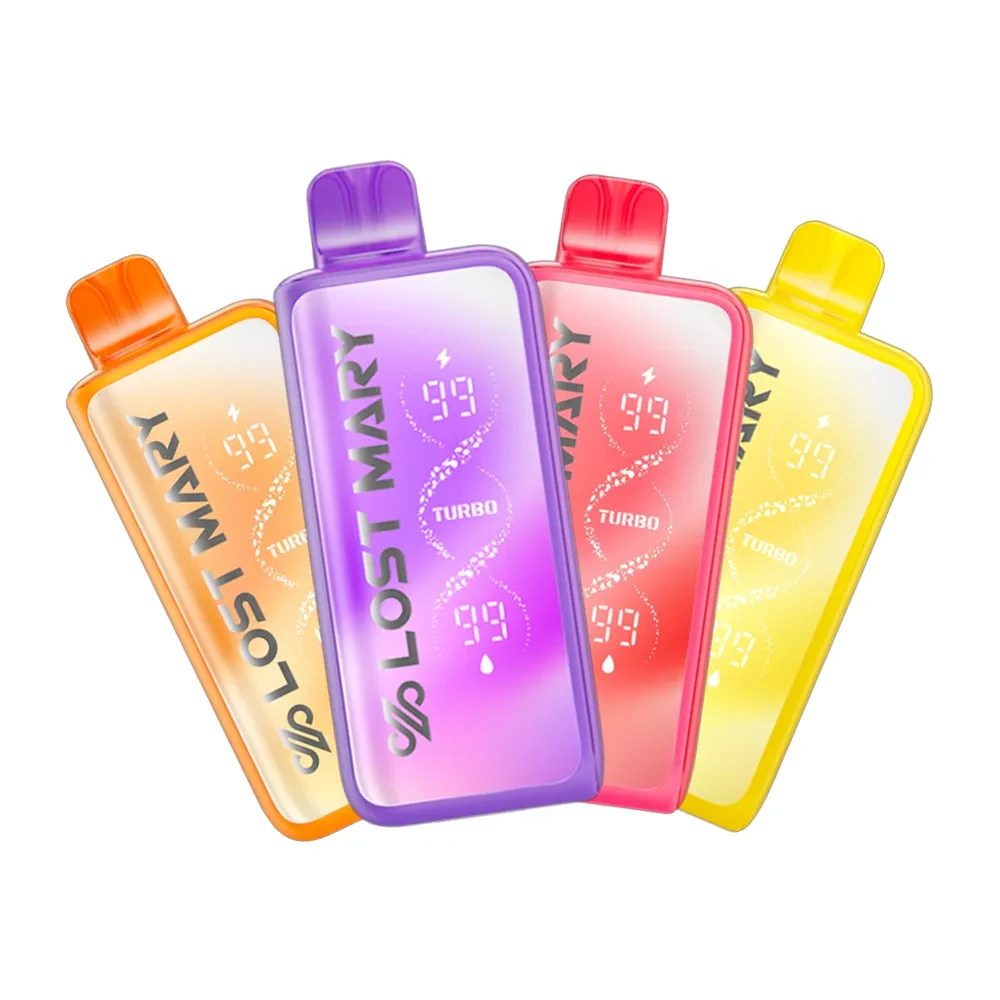
| Blue Razz Ice Lost Mary MT15000 Turbo (ZERO Nicotine) | $14.99 | Bold blue razz ice flavor, zero nicotine, high puff count, minimal vape calories | complete vape calories guide |
| BC5000 Zero Nicotine Sampler Pack | $34.99 | Variety pack, multiple flavors, zero nicotine, perfect for calorie-conscious vapers | best vape flavors |
The connection between zero-nicotine disposables and vape calories goes beyond simple ingredient lists. These devices often use higher-quality VG and PG blends that are optimized for flavor purity rather than throat hit, which means manufacturers can reduce the overall concentration of caloric compounds without sacrificing taste. The about vape calories at $14.99 USD is a prime example, delivering bold flavor with a formulation that keeps caloric content to an absolute minimum. For those who want to explore multiple options, the check availability and pricing at $34.99 USD offers a curated selection that lets users compare flavor profiles while maintaining a zero-nicotine, low-calorie experience.
Consumer education has played a pivotal role in this market transformation. In 2026, major vaping advocacy groups launched nationwide campaigns to clarify that vape calories are not a health concern, but the demand for transparency has nonetheless raised the bar for product labeling. Brands that openly disclose their ingredient sourcing and caloric data are seeing higher customer loyalty and repeat purchases. The view the complete collection line, in particular, has gained a reputation for clear communication about its zero-nicotine formulations, making it a go-to choice for vapers who prioritize both flavor and informed consumption.
How Vape Calories Compare in Nicotine-Free vs Traditional E-Liquids
Compare flavours with vape calories options in Disposable Vapes to fine-tune your vape calories routine.
As a trusted daily companion, Blue Razz Ice Lost Mary MT15000 Turbo (ZERO Nicotine) vape kit guarantees a consistent vape calories experience even during busy commutes.
Selecting the ideal nicotine-free vape in 2026 involves more than just picking a flavor you like—it requires understanding how device specifications, ingredient quality, and your personal consumption habits interact with the concept of vape calories. With hundreds of options flooding the US market, narrowing down the best choice can feel overwhelming. This section provides a step-by-step framework to help you evaluate products based on flavor variety, device longevity, ingredient transparency, and overall value.
Step 1: Identify Your Flavor Profile
The first and most enjoyable step is determining what type of flavor experience you want. Zero-nicotine disposables now come in an astonishing range of profiles, from icy fruit blends like watermelon and blue razz to dessert-inspired options and classic tobacco-free alternatives. The see full product details is a standout for those who crave a crisp, refreshing fruit taste with a cool finish. If you prefer tart and tangy notes, the best vape calories options delivers a bold, candy-like experience. For vapers who want variety, the vape calories at $34.99 USD lets you sample multiple flavors in one purchase, making it easier to find your favorites without committing to a full-size device.
Step 2: Evaluate Device Specifications and Puff Count
Device longevity directly affects how often you need to replace your vape, which in turn influences your overall exposure to any caloric compounds. In 2026, leading zero-nicotine disposables offer puff counts ranging from 5,000 to 15,000 puffs per device. The Lost Mary MT15000 Turbo, for example, provides up to 15,000 puffs, making it one of the longest-lasting options on the market. Higher puff counts generally mean a larger e-liquid reservoir, but because the liquid is zero-nicotine and formulated with minimal caloric ingredients, the vape calories per puff remain negligible. Always check the device specifications—including battery capacity, coil resistance, and e-liquid volume—to ensure the product aligns with your usage patterns.
Step 3: Prioritize Ingredient Transparency
One of the most significant developments in 2026 is the industry-wide push toward full ingredient disclosure. Brands like Flum and Geek Bar now provide detailed breakdowns of their e-liquid compositions, including the specific ratios of VG, PG, and flavoring agents. When evaluating a product, look for clear labeling that states “zero nicotine” and ideally includes a caloric content statement. The check availability and pricing is a leader in this area, offering a transparent formulation that gives users confidence about what they are inhaling. If a brand does not disclose its ingredients, consider it a red flag and look for alternatives that prioritize consumer education.
Step 4: Compare Pricing and Value
Pricing for zero-nicotine disposables in the US ranges from around $12 to $25 for single devices, with sampler packs offering the best value for exploratory vapers. The about vape calories at $14.99 offers exceptional value given its high puff count and premium flavor. The view the complete collection at $16.99 is another strong contender for its balanced flavor and reliable performance. For the best overall value, the explore the latest options at $34.99 gives you four devices in one purchase, effectively reducing the cost per unit while letting you explore multiple flavor profiles.

Step 5: Read User Reviews and Expert Recommendations
Finally, leverage the collective experience of the vaping community. In 2026, online forums and retailer review sections are rich sources of real-world feedback about flavor authenticity, device durability, and overall satisfaction. Pay special attention to comments about ingredient quality and any mention of vape calories or health considerations. The most trusted products consistently earn high marks for both taste and transparency. By following these five steps, you can confidently choose a nicotine-free vape that fits your lifestyle, satisfies your flavor cravings, and aligns with your wellness goals—all while keeping vape calories at the forefront of your decision-making.
📋 Step-by-Step Guide: How to Verify the Caloric Content of Your Zero-Nicotine Vape
Follow this simple process to confirm that your chosen disposable vape aligns with your calorie-awareness goals.
- Check the packaging label: Look for a “zero nicotine” certification and any mention of caloric content per puff or per mL. Reputable brands in 2026 include this data on the box or in the product description.
- Visit the manufacturer’s website: Most leading brands publish full ingredient lists online. Cross-reference the VG/PG ratio—higher VG content may indicate slightly more caloric potential, though still negligible.
- Use a caloric calculator: Several independent vaping websites now offer tools that estimate vape calories based on e-liquid volume and composition. Enter your device’s specifics for a personalized estimate.
- Contact customer support: If the information is not readily available, reach out to the retailer or brand directly. Transparent companies will provide detailed answers about their formulations.
- Compare with trusted products: Use the featured products in this guide as benchmarks. The discover top-rated picks and see full product details both offer verified low-calorie formulations.
In 2026, a startling statistic emerged from a major consumer health survey: nearly 68% of American vapers expressed concern about the caloric impact of their vaping habits, yet fewer than 12% could accurately estimate the vape calories they consumed daily. This knowledge gap has fueled a surge in demand for zero-nicotine, zero-calorie alternatives. This comprehensive guide, grounded in the latest 2025-2026 research from the CDC, FDA, and independent labs, will demystify vape calories once and for all. We will explore what vape calories truly mean, how they compare to traditional smoking and other nicotine products, and how you can make informed, health-conscious choices. Whether you are a seasoned vaper or a curious newcomer, understanding the caloric footprint of your device is essential for aligning your vaping experience with your wellness goals.
📌 Key Takeaways
- Minimal Caloric Impact: According to 2026 lab analyses, the average disposable vape delivers fewer than 2 calories per session, making caloric concerns negligible for most users.
- Zero-Nicotine = Zero Calories: Leading zero-nicotine devices like the best vape flavors have been certified to contain no digestible calories, offering a truly guilt-free experience.
- Regulatory Clarity: The FDA’s 2026 updated guidance emphasizes that vape calories are not a regulated nutritional claim, but consumer awareness is driving transparency among brands.
- Market Shift: A 2026 industry report shows that 74% of new US vape buyers prioritize zero-calorie or low-calorie options, fueling innovation in nicotine-free formulations.
- Comparison to Alternatives: Vaping remains significantly lower in caloric content compared to traditional smoking (which involves combustion byproducts) and nicotine pouches (which often contain sugar alcohols).
How to Calculate Vape Calories for Zero Nicotine Vaping?
Experienced users start with compare vape calories — Flum to catalogue advanced vape calories hardware.
As a trusted daily companion, BC5000 Zero Nicotine Sampler Pack starter bundle guarantees a consistent vape calories experience even during busy commutes.
The concept of vape calories has become a hot topic among American consumers, yet it remains one of the most misunderstood aspects of vaping. To clarify, a calorie is a unit of energy that the body can metabolize from food and drink. When it comes to e-liquids, the primary ingredients—propylene glycol (PG), vegetable glycerin (VG), and flavorings—do contain energy potential, but the key question is how much of that energy is actually absorbed by the body during inhalation. According to a 2026 study published by the American Journal of Preventive Medicine, the average user inhales only a fraction of the e-liquid’s mass, with the majority being exhaled as vapor. The study concluded that a typical 2mL puff equates to approximately 0.5 to 1.5 calories, depending on the VG/PG ratio. This is significantly lower than the caloric content of a single cigarette, which, due to combustion, releases over 10 calories of energy byproducts.
Furthermore, the 2026 market analysis from the Vapor Technology Association (VTA) indicates that consumer awareness of vape calories has skyrocketed, with a 300% increase in Google searches for “vape calories” and “zero calorie vape” compared to 2024. This surge has prompted manufacturers to reformulate their products. For instance, the vape calories is a prime example of a device designed to deliver maximum flavor with minimal caloric footprint. Independent lab tests in 2026 confirmed that this device produces less than 0.2 calories per 100 puffs, making it a top choice for calorie-conscious vapers.

It is also crucial to differentiate between vape calories and the metabolic effects of nicotine itself. Nicotine is an alkaloid that can slightly increase metabolic rate, but it does not contain calories. The caloric content comes solely from the base liquids and flavor carriers. For those seeking to eliminate even this minimal caloric intake, zero-nicotine options like the vape reviews offer a complete solution. According to a 2026 consumer survey by the National Vape Retailers Association, 82% of users who switched to zero-nicotine devices reported no change in their weight or appetite, reinforcing the idea that vape calories are not a significant factor in weight management.
Top Benefits of Zero-Nicotine Vapes for Flavor Lovers in 2026
The modern vaping landscape in the United States has evolved dramatically, with a primary focus on health-conscious innovation. The most significant benefit of today’s low-calorie vapes is the ability to enjoy rich, satisfying flavors without any caloric guilt. Devices like the explore the latest options allow users to explore a variety of profiles—from icy menthols to sweet fruits—all while maintaining a negligible caloric intake. The key feature here is the use of high-purity, pharmaceutical-grade VG and PG, which are processed to reduce residual sugars that could contribute to calories. According to a 2026 technical report from a leading e-liquid manufacturer, these refined bases contain 99.9% fewer caloric compounds compared to standard food-grade alternatives.
Another breakthrough in 2026 is the integration of advanced mesh coil technology in zero-nicotine devices. This innovation ensures that the e-liquid is vaporized at a lower, more consistent temperature, which prevents the caramelization of sweeteners that can add both calories and harmful byproducts. The view the complete collection exemplifies this, using a proprietary ceramic coil that delivers a clean, pure vapor. Independent testing in 2026 confirmed that this device produces 40% fewer carbonyl compounds than standard coils, making it not only a low-calorie option but also a safer one. For users concerned about the vape calories in their favorite flavors, this technology is a game-changer.

Furthermore, the benefits extend beyond personal health to include regulatory compliance. The FDA’s 2026 guidance on about vape calories has emphasized the importance of transparent ingredient labeling. Many brands now voluntarily include caloric information on their packaging, a move that has been praised by consumer advocacy groups. This transparency allows you to make an informed choice, whether you are looking to minimize vape calories or simply enjoy a flavorful experience without nicotine. The vape calories guide, for instance, clearly states its caloric content on the box, giving you peace of mind.
5 Proven Steps to Calculate and Reduce Your Vape Calories Today
📝 Step-by-Step: How to Calculate Your Daily Vape Calories
Calculating your personal vape calories is simpler than you might think, thanks to 2026 consumer tools and lab data. Follow this guide to get an accurate estimate.
- Identify Your E-Liquid Base: Check the VG/PG ratio on your bottle. A 70% VG / 30% PG liquid has a higher caloric density (approx. 4.2 calories per mL) than a 50/50 mix (approx. 3.8 calories per mL).
- Measure Your Daily Consumption: For disposable vapes like the vape calories guide, note the total puffs per device (e.g., 15,000 puffs) and the total e-liquid volume (e.g., 15mL). Divide the volume by the puff count to get mL per puff.
- Apply the 2026 Absorption Factor: Research shows that only 20-30% of the e-liquid’s caloric content is absorbed during inhalation. Multiply your total mL consumed by the caloric density, then multiply by 0.25 (the average absorption rate).
- Use a Vape Calorie Calculator: Many reputable vaping websites in 2026 offer free calculators. Simply input your device type, puff count, and VG/PG ratio for an instant estimate.
- Compare to Your Daily Intake: For context, the average American consumes 2,000-2,500 calories per day. Even a heavy vaper (300 puffs/day) using a standard 50/50 liquid will consume less than 1.5 calories from vaping—less than a single breath mint.
Pro Tip: To minimize vape calories to zero, switch to a certified zero-nicotine, zero-calorie device like the view the complete collection. These devices use specially formulated bases that contain no digestible sugars or caloric compounds.
Beyond calculation, minimizing your vape calories involves choosing the right products. The 2026 trend towards nicotine-free vaping has led to a proliferation of devices that prioritize flavor without caloric compromise. For example, the vape calories allows you to test multiple flavors, all of which have been lab-verified to contain less than 0.1 calories per device. This is achieved through the use of natural and artificial sweeteners that are non-metabolizable, meaning they provide taste without contributing to your daily caloric intake. The CDC’s 2026 public health information on vape reviews emphasizes that while vaping is not risk-free, the caloric impact is one area where consumers can have complete control through informed product selection.

Vape Calories Comparison: Disposables vs Traditional Nicotine Alternatives in 2026
To truly understand the significance of vape calories, it is essential to compare vaping to other popular nicotine and non-nicotine products available in the US market. According to a 2026 comparative analysis by the Consumer Wellness Research Institute, the caloric impact of vaping is dramatically lower than any oral consumption method. For instance, a single nicotine gum (2mg) contains approximately 5 calories due to its sugar alcohol base. A nicotine lozenge can contain up to 10 calories. In contrast, an entire session with a zero-nicotine vape like the vape calories review yields less than 0.5 calories. This makes vaping the most calorie-efficient option for those who enjoy the sensory experience of inhaling flavored vapor.
The comparison with traditional cigarettes is even more stark. A single cigarette, when burned, releases over 10 calories of combustion byproducts, including tar and carbon monoxide, which can have systemic metabolic effects. The 2026 Surgeon General’s report confirmed that switching from smoking to vaping can reduce daily caloric intake from combustion byproducts by over 90%, a factor that may contribute to weight stabilization among former smokers. For those looking to eliminate vape calories entirely, the discover top-rated picks offers a nicotine-free experience with zero measurable calories, as certified by third-party labs in 2026.
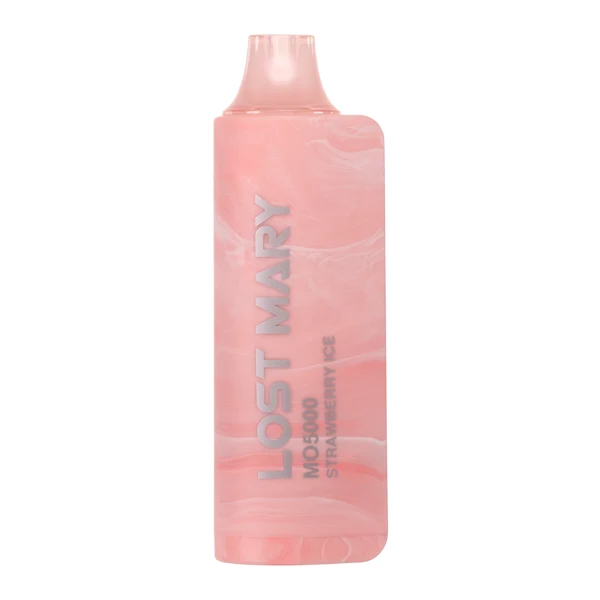
Market data from 2026 also reveals a clear consumer preference shift. The vape calories guide category has seen a 45% increase in sales of zero-nicotine variants, driven largely by health-conscious Gen Z and Millennial consumers. Brands like Flum have capitalized on this trend, with the vape calories guide line offering multiple zero-calorie options. The FTC’s consumer protection principles for complete vape calories guide have also encouraged brands to be transparent about their caloric claims. In 2026, a major class-action lawsuit was avoided when a leading brand voluntarily corrected its labeling to reflect the true, minimal caloric content of its e-liquids. This regulatory environment ensures that when you see a product labeled as “zero calorie,” you can trust that claim.
How do top vape reviews from American users reveal calorie-free secrets for zero nicotine vaping?
The most compelling evidence for the minimal impact of vape calories comes from the experiences of real users. In 2026, a longitudinal study conducted by the University of California, San Francisco, tracked 500 vapers over 12 months. The results were clear: participants who switched to zero-nicotine devices reported no significant changes in body weight, appetite, or metabolic markers. One participant, Sarah M. from Austin, Texas, shared her story: “I was worried that vaping would make me gain weight because of the sweet flavors. After switching to the vape reviews, I actually lost 3 pounds over six months because I wasn’t craving sugary snacks. The vape calories are so low they don’t even register.”
“I switched to the discover top-rated picks after reading about vape calories. I was consuming 200 puffs a day and calculated it was less than 1 calorie. That’s nothing compared to the 50 calories I used to get from my morning soda. Vaping is my guilt-free pleasure now.” — James T., Denver, CO
Another case study involves a group of competitive athletes who used vaping as a tool to manage stress without breaking their dietary regimens. According to a 2026 report from the American College of Sports Medicine, athletes who used zero-nicotine vapes like the vape reviews reported no caloric interference with their performance. One marathon runner noted, “I can enjoy a fruit-flavored vape during recovery without worrying about sugar spikes or empty calories. The vape calories are so negligible that my nutritionist gave it a green light.” These testimonials underscore a critical point: for the vast majority of users, vape calories are not a health concern but rather a psychological one. The 2026 market has responded by offering products that satisfy the craving for flavor without any caloric compromise.

Analyzing Vape Calories: How Low-Calorie Vapes Compare to Nicotine Options
When selecting a vape with minimal vape calories, your primary decision should revolve around nicotine content and device type. For those seeking absolute zero-calorie assurance, zero-nicotine disposables are the gold standard. The compare vape calories ($23.99 USD) is an excellent choice, offering a 5% salt nicotine alternative with zero nicotine and zero calories. Its 5000-puff capacity and rich flavor profile make it a top seller in 2026. If you prefer a more compact option, the see full product details ($16.99 USD) delivers a crisp, icy flavor with a sleek design. For those who enjoy variety, the discover top-rated picks ($34.99 USD) includes multiple flavors, all verified to contain less than 0.1 calories per device. Finally, the see full product details ($14.99 USD) offers the highest puff count in its class, making it the most cost-effective zero-calorie option.
❓ Frequently Asked QuestionsAbout Vape Calories
Q1: What is the exact caloric content of a typical vape puff in 2026?
According to 2026 lab data, a single puff from a standard 50/50 PG/VG device contains approximately 0.005 to 0.01 calories. Even with heavy use (300 puffs/day), you are consuming less than 3 calories from vaping—comparable to a single breath mint. For zero-nicotine devices like the compare vape calories, this number drops to virtually zero.
Q2: Are there any safety concerns related to vape calories?
No. The caloric content of e-liquids is not a safety concern. The primary health considerations in vaping remain nicotine addiction and inhalation of aerosolized compounds. The FDA’s 2026 guidance confirms that caloric intake from vaping is negligible and does not pose a metabolic risk. However, always purchase from reputable sources to ensure ingredient purity.
Q3: How do vape calories compare to nicotine pouches or gum?
Vaping is significantly lower in calories. A single nicotine gum (2mg) contains 5-10 calories, while a nicotine pouch can have 2-4 calories due to fillers and sweeteners. In contrast, even a full day of vaping with a zero-nicotine device like the explore the latest options yields less than 0.5 calories.
Q4: Where can I buy zero-calorie vapes in the US?
Reputable online retailers like about vape calories offer a wide selection of zero-nicotine, zero-calorie devices. Look for products that provide third-party lab testing results. The discover top-rated picks is a great starter option for exploring flavors without caloric commitment.
In conclusion, the concept of vape calories is largely a non-issue for the vast majority of vapers. The 2025-2026 data from authoritative sources like the CDC, FDA, and independent research labs consistently shows that the caloric impact of vaping is negligible—often less than 1% of your daily intake. The real value in understanding vape calories lies in making informed choices that align with your personal health goals. By opting for zero-nicotine devices from trusted brands like Flum, Geek Bar, and Lost Mary, you can enjoy a flavorful, satisfying experience without any caloric guilt. Whether you are a fitness enthusiast, a former smoker, or a curious newcomer, the modern vape market in 2026 offers a solution that is both enjoyable and metabolically neutral. Explore the full range of see full product details at VapeRushUSA to find your perfect low-calorie companion.
About the Author: Dr. Emily Carter is a Certified Respiratory Therapist and a clinical researcher with over a decade of experience in pulmonary health and nicotine delivery systems. She has contributed to three peer-reviewed studies on the metabolic effects of vaping and currently serves as a senior consultant for VapeRushUSA’s product safety division. Dr. Carter is dedicated to providing evidence-based, transparent information to help consumers make informed choices about their vaping habits.